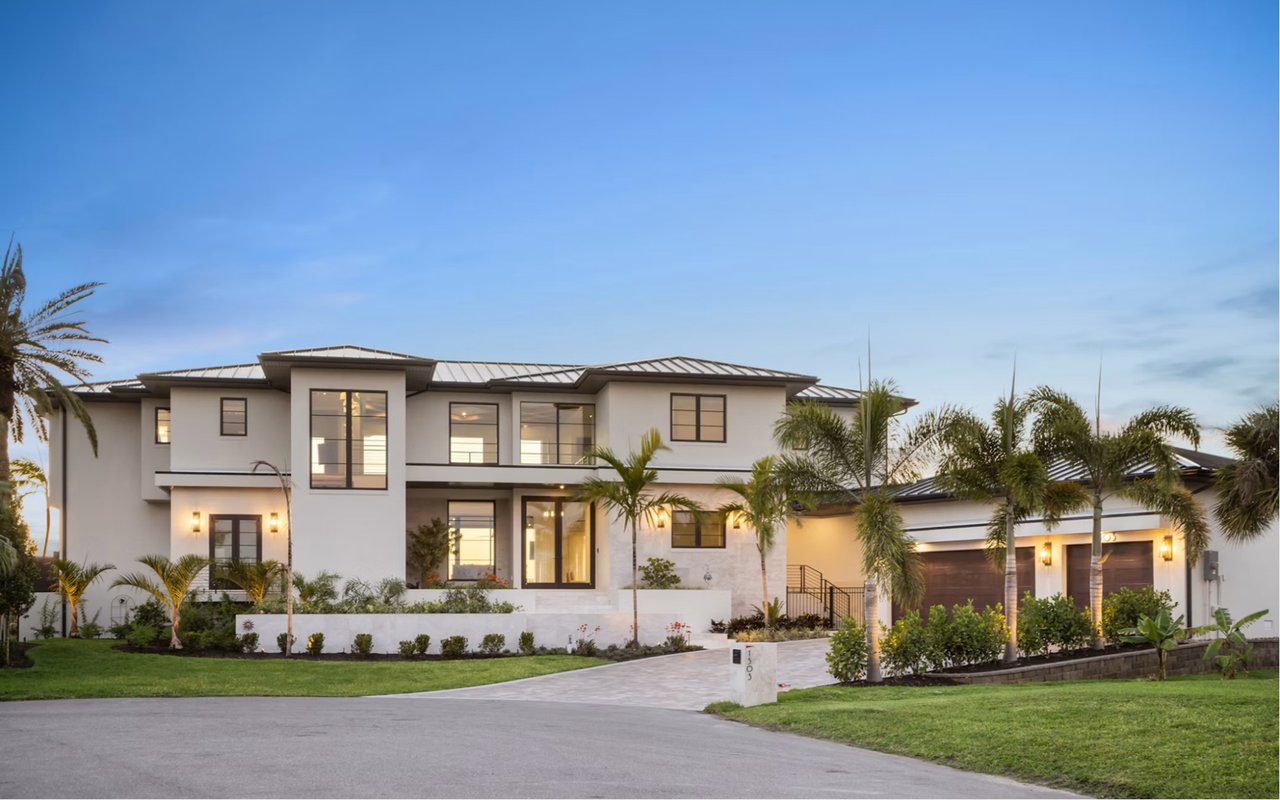
By Crown Coast Properties
Landscaping tips for curb appeal work differently on Isle of Palms than they do inland, since salt spray, sandy soil, and constant coastal wind rule out plenty of plants that look great in a typical suburban yard. Getting this right means choosing species built for these exact conditions rather than fighting against them.
Key Takeaways
- Native coastal plants like sea oats, sabal palmetto, and wax myrtle are specifically adapted to sandy soil and salt spray, making them lower-maintenance choices than non-native alternatives.
- Live oaks and southern magnolias offer genuine salt tolerance along with the shade and structure that define classic Lowcountry curb appeal.
- Tabby pathways and container plantings at the entrance add instant character without requiring extensive upkeep.
- Native plants generally resist pests and disease better than ornamentals, meaning fewer treatments and lower long-term maintenance costs.
Choose Salt-Tolerant Native Plants First
Before anything else, the plants you choose need to actually survive the conditions on a barrier island. Starting with species native to this exact environment saves real money and frustration down the road.
What Actually Thrives Here
- Sea oats and muhly grass, sometimes called sweetgrass, handle salt spray and sandy soil with minimal upkeep while adding genuine seasonal interest
- Sabal palmetto, South Carolina's state tree, delivers a resort-level tropical look while remaining fully native and storm-hardy
- Wax myrtle and yaupon holly both thrive in sandy, salt-exposed conditions and work well as privacy screens or informal hedges
- Live oaks, with their broad canopy and leathery, salt-resistant leaves, remain the gold standard for shade and structure in coastal South Carolina
Choosing these species over non-native ornamentals from the start avoids the cycle of replacing plants that simply weren't built for this climate.
Layer in Privacy and Structure With the Right Shrubs
Beyond the headline plants, a well-designed coastal yard needs layers of shrubs that provide privacy and visual structure. The right choices here handle salt and sandy soil just as well as the larger specimen plants.
What to Plant for Privacy and Screening
- Wax myrtle grows quickly into a naturalistic screen and tolerates poor, sandy soil better than almost any other privacy shrub
- Dwarf palmetto fills difficult shaded or damp spots while remaining fully salt tolerant once established
- Sweet viburnum and ligustrum both thrive in sandy, clay-mixed soil and produce fragrant blooms several times a year
- Inkberry holly and beautyberry add native structure and seasonal color while resisting the pests that often plague non-native hedges
Layering these shrubs at different heights creates genuine depth in a front yard, rather than a single flat row of greenery along the property line.
Add Lowcountry Hardscape and Porch-Centered Charm
Plants alone don't define Lowcountry curb appeal. The hardscape and entry details surrounding them carry just as much visual weight, and a few traditional touches go a long way.
What Rounds Out a Truly Coastal Look
- Tabby, a traditional mixture of oyster shells, lime, and sand, makes for distinctive pathways and borders with real regional authenticity
- Flanking an entrance with container plantings, ferns, caladiums, or mandevilla adds instant seasonal color without a major landscaping investment
- Porches remain central to Lowcountry curb appeal, and positioning seating or planters to highlight this feature reinforces the area's classic architectural style
- Arbors or pergolas draped in flowering vines offer both visual interest and genuine relief from summer heat near an entryway
These hardscape details work alongside your plant choices to create a cohesive, authentically coastal first impression.
Keep Maintenance Realistic for Coastal Conditions
Choosing the right plants upfront pays off most clearly in reduced long-term maintenance. Fighting against the climate with the wrong species tends to cost far more over time than it saves initially.
Why Native Choices Pay Off Long-Term
- Native species are typically less vulnerable to pests and disease than non-native ornamentals, meaning fewer chemical treatments and lower ongoing costs
- Amending sandy soil with organic matter before planting helps new plantings establish faster and retain moisture more effectively
- Mapping sunlight hours, wind exposure, and drainage patterns across your specific yard before choosing plant placement prevents costly trial and error later
- A yard built around genuinely salt-tolerant, low-maintenance species holds its curb appeal through hurricane season and salt-laden storms far better than one relying on delicate, non-native plantings
Investing the time to choose the right plants from the start consistently outperforms a yard that needs constant replacement and repair.
Frequently Asked Questions
What are the best privacy plants for a coastal Isle of Palms yard?
Wax myrtle, dwarf palmetto, and sweet viburnum all tolerate sandy soil and salt spray well while providing genuine screening and seasonal interest.
Do native plants really require less maintenance than non-native ornamentals?
Generally yes. Native species are better adapted to local pests, soil, and climate conditions, which typically means fewer treatments and less replacement over time.
What hardscape materials fit a Lowcountry coastal landscape?
Tabby, a traditional mix of oyster shells, lime, and sand, remains one of the most authentic and distinctive choices for pathways and borders in this region.
Work With a Team That Understands Coastal Living Inside and Out
Crown Coast Properties was founded by owner and Broker-In-Charge Amy Rogers, who has built one of the Charleston area's premier boutique firms specializing in luxury Lowcountry properties. Our agents bring years of experience, deep local ties, and unmatched knowledge of Isle of Palms, Sullivan's Island, Charleston, and Mount Pleasant. When it comes to coastal real estate, who you work with matters, and we're here to make sure you get the experience you deserve. If you're preparing to boost your home's curb appeal before listing, we would love to help.
Connect with Crown Coast Properties today.
Connect with Crown Coast Properties today.