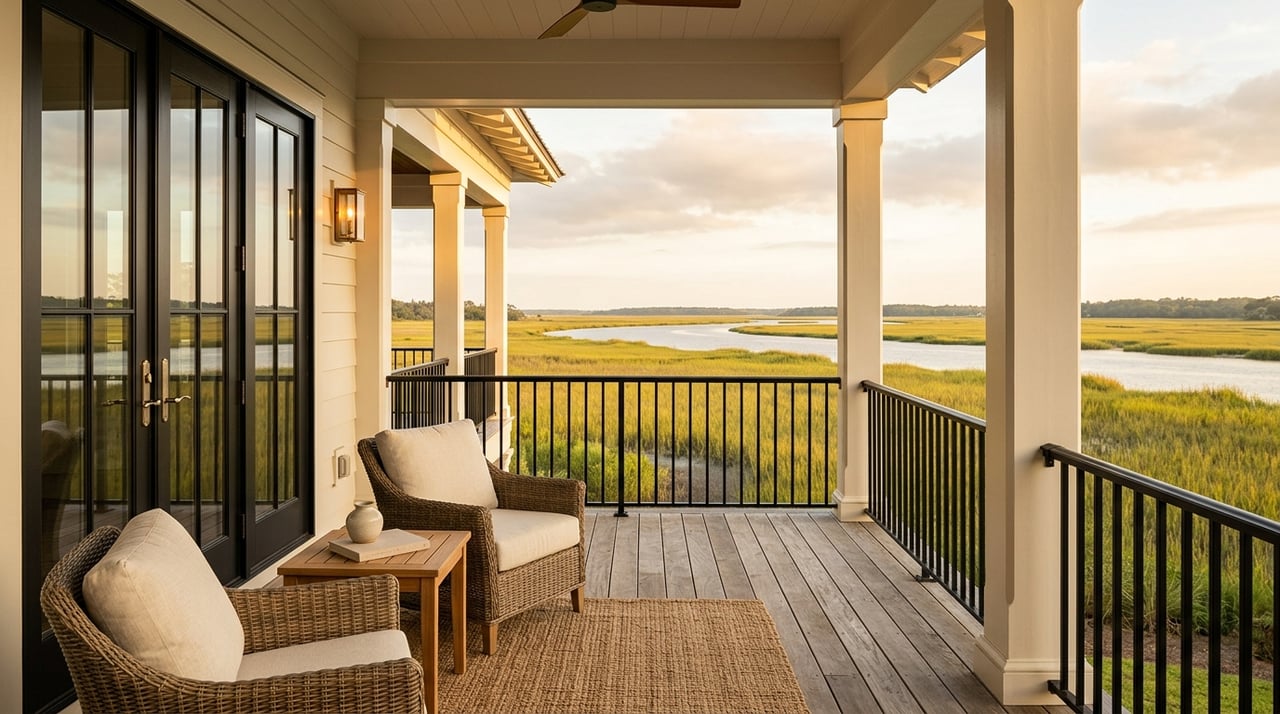
If you price an Isle of Palms home like it sits in a typical neighborhood, you could miss the market by a wide margin. This island attracts year-round residents, second-home buyers, and investors, and each group weighs value a little differently. If you are thinking about selling, it helps to understand what buyers are really paying for here and how that shapes a smart pricing strategy. Let’s dive in.
Why Isle of Palms pricing is different
Isle of Palms is not just another Charleston-area housing market. It is a seven-mile barrier island with a resort-driven identity, a strong seasonal rhythm, and a housing mix that includes many second homes and vacation properties.
City data shows 4,627 housing units on the island, with only 36% occupied by year-round residents. That matters because a large share of buyers may be comparing your home through the lens of lifestyle use, seasonal convenience, or rental potential rather than only primary-residence needs.
The broader Charleston tourism picture reinforces that dynamic. The region welcomed 7.89 million visitors in 2024 and generated $14.03 billion in economic impact, with beaches and waterfront areas ranking among its most attractive assets.
Island averages can mislead sellers
Averages can be useful for headlines, but they are not enough to price your home well on Isle of Palms. In a resort-first market, buyers do not value every location, view, or property type the same way.
Current market snapshots show that spread clearly. Zillow reports a typical home value of $1,638,707 as of April 30, 2026, with 124 listings for sale and a median list price of $2,072,983. Redfin reports a March 2026 median sale price of $1,475,000, average days on market of 50, and homes selling about 4% below list on average.
Those numbers are directional, not a pricing formula. They do show one important point: even in a luxury coastal market, pricing discipline still matters.
What buyers are really paying for
On Isle of Palms, the right price depends on the specific benefits your property offers. Buyers are often paying for a combination of access, views, convenience, and use case.
Beach proximity carries real value
Beach access is one of the island’s clearest value drivers. The city offers more than 50 beach access paths, and ease of reaching the beach can shape how buyers experience a home day to day.
That does not mean every home near the beach should be priced the same. Walkability, how direct the route feels, and how easy the home is to use during busy summer periods can all affect perceived value.
Water views are not ordinary features
Water views are limited, and scarcity supports pricing power. Research cited in the report shows that water-view premiums tend to rise when demand and overall home prices are rising, then soften in downturns.
That means view value is real, but it is also market-sensitive. A seller should avoid assuming that any water glimpse commands the same premium in every cycle.
Resort and golf access can shift value higher
Resort-related features can change buyer demand in meaningful ways. Research on barrier islands near Charleston found an 18.6% premium for homes in gated communities and concluded that beach proximity is more valuable in gated communities than in nongated ones.
That is especially relevant in Wild Dunes, where buyers may value an amenity stack that includes golf, beach access, tennis, pickleball, pools, spa services, dining, and resort accommodations. Golf course positioning can also matter, since the National Golf Foundation notes a premium tied to homes on golf courses.
Micro-location matters more than zip code
On Isle of Palms, a strong pricing strategy starts with the right comparison set. The question is not, "What are homes on the island selling for?" It is, "What are buyers paying for homes like yours in your exact segment?"
Compare by property type first
A condo or villa should not be priced from the same lens as a single-family beach house. The buyer pool, maintenance expectations, and use patterns can be very different.
Recent sold examples show how wide the range can be, from a one-bedroom condo around $560,000 to a six-bedroom single-family home at $5.795 million. That kind of spread makes broad averages less useful than carefully matched comps.
Separate resort homes from non-resort homes
A home in Wild Dunes may compete against a different set of alternatives than a non-resort property elsewhere on the island. Buyers considering resort convenience often assign value to access, gates, amenities, and the ease of a turnkey lifestyle.
If your home does not offer those features, overpricing against resort sales can create friction. If it does, underpricing against inland island comps can leave value on the table.
Distinguish views and access quality
Not all beach proximity looks the same on paper or in person. Some homes have a stronger walk-to-beach feel, more usable access routes, or a better relationship to parking and seasonal traffic patterns.
On a barrier island, those details are not minor. They shape how a buyer imagines using the home during peak season, and that can directly affect what they are willing to pay.
Seasonality changes how buyers think
A resort-driven market does not move exactly like a primary-home suburban market. Buyer urgency, showing activity, and perceived usability can all shift with the season.
City planning materials describe Memorial Day and July 4th as high-season traffic-gridlock periods. The city also manages paid parking on Front Beach and municipal lots from March 1 through October 31, while continuing work on access improvements, drainage, parking management, and beach-preservation planning.
For sellers, this means buyers may notice practical details that matter more here than elsewhere. A home’s convenience during peak season, including beach access, parking ease, and general usability, can influence demand and pricing conversations.
Rental rules affect pricing strategy
Some Isle of Palms buyers are not just looking at lifestyle. They are also looking at operating rules, carrying costs, and whether the home fits their rental plans.
The city requires a short-term rental business license for any residential unit rented for any length of time. For rentals of 30 days or less, the city lists a combined 14% tax and fee burden, and rentals must also follow occupancy and parking rules plus a 24/7 contact requirement.
South Carolina property tax guidance adds another layer. Owner-occupied real property is classified at 4%, while commercial and rental real property is classified at 6%.
Why this matters for your list price
A primary-residence buyer and an investor may not arrive at the same number for your home. One may focus on lifestyle, daily use, and long-term enjoyment, while the other may focus on rules, taxes, and carrying costs.
That is why sellers should be careful about assuming that every buyer will stretch for the same reasons. If your home is likely to attract second-home or investment-minded buyers, your price needs to reflect how that audience actually evaluates value.
Signs your home may be overpriced
In an aspirational coastal market, it is easy to believe a standout home will find the right buyer at any number. Sometimes it does. But current market data showing homes selling about 4% below list on average suggests that buyers are still price-aware.
A price may be too ambitious if:
- your home is being compared to a stronger micro-location
- your list price assumes rental upside without factoring local rules and costs
- your price reflects broad island averages instead of matched comps
- your property type is being benchmarked against a different segment
- your value story depends on features buyers do not rank as top priorities
Overpricing can cost time, leverage, and early momentum. On an island market with a wide range of homes and buyer motivations, first impressions matter.
How to price more strategically
The most effective pricing approach on Isle of Palms is precise, not broad. It should reflect the way buyers shop this island in real life.
A strong pricing process should usually include:
- separating oceanfront, water-view, and inland properties
- comparing resort or golf-access homes separately from non-resort homes
- evaluating condos and villas apart from single-family homes
- considering whether likely buyers are owner-occupants, second-home buyers, or investors
- weighing beach access, parking convenience, and summer usability
- accounting for how current market conditions affect premiums for views and amenities
This is where hyperlocal experience can make a real difference. The island rewards nuance, and small differences in location or use case can shift pricing more than many sellers expect.
Why local expertise matters on Isle of Palms
In a micro-market like this, pricing is not just about pulling recent sales. It is about understanding what buyers on Isle of Palms, in Wild Dunes, and across nearby coastal segments are willing to pay right now and why.
That kind of judgment comes from focused local experience, close tracking of island inventory, and a clear sense of how buyers respond to views, resort access, walkability, and rental realities. For many sellers, that insight can be the difference between simply listing a home and positioning it well.
If you are preparing to sell and want a pricing strategy built around your home’s exact micro-market, Crown Coast can help you evaluate the details that matter most on Isle of Palms.
FAQs
How should you price a home on Isle of Palms?
- You should price an Isle of Palms home by comparing it to the right micro-segment, such as oceanfront, water-view, inland, resort-access, condo, villa, or single-family, rather than relying on island-wide averages.
Do beach access and water views affect Isle of Palms home values?
- Yes. Beach proximity and water views can materially affect value on Isle of Palms, but the premium depends on the quality of access, the strength of the view, and current market conditions.
Does Wild Dunes location change pricing on Isle of Palms?
- Yes. Wild Dunes homes may command different pricing because buyers often value gated entry, golf access, beach convenience, and resort amenities differently than they do for non-resort properties.
Do short-term rental rules affect Isle of Palms home pricing?
- Yes. Buyers considering rental use may factor in the city’s licensing rules, occupancy and parking requirements, 24/7 contact requirement, and the combined 14% tax and fee burden for rentals of 30 days or less.
Are Isle of Palms homes selling below list price?
- Recent market data cited in the research report shows Isle of Palms homes selling about 4% below list on average, which suggests careful pricing still matters in this market.
Why do island averages fall short for Isle of Palms sellers?
- Island averages can hide major differences in property type, view quality, beach access, resort benefits, and buyer intent, all of which can change what buyers are willing to pay for a specific home.