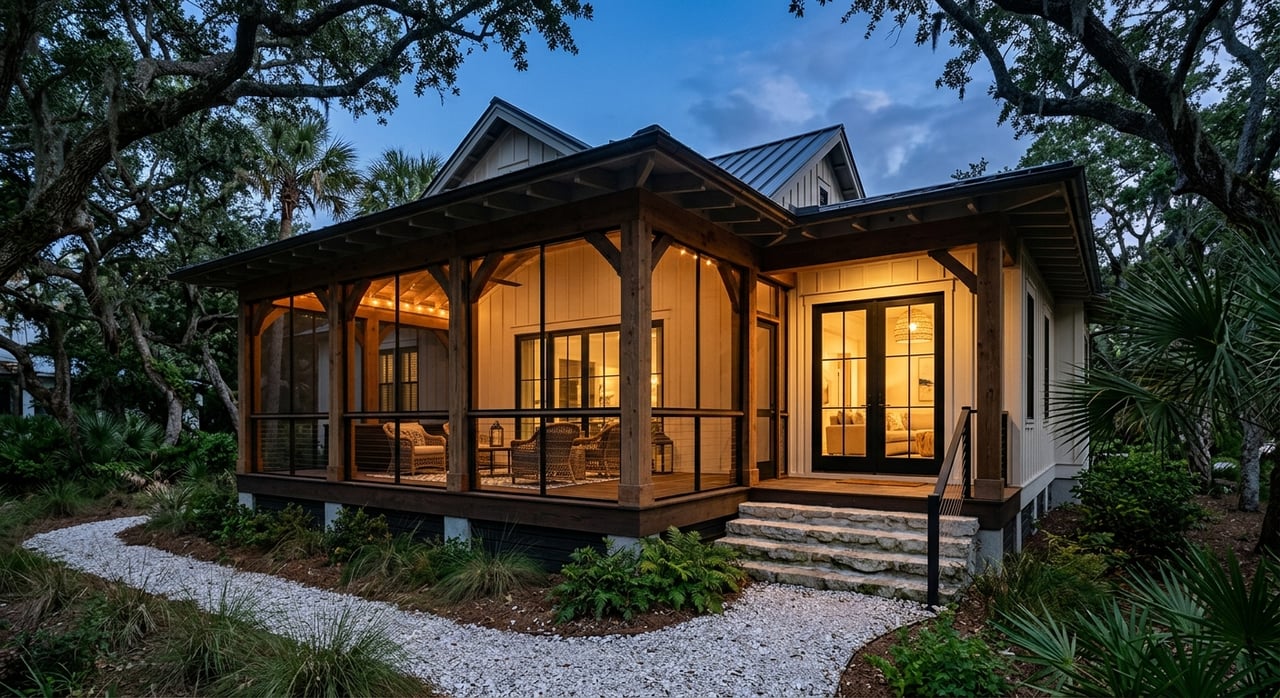
If you are thinking about a second home on Sullivan’s Island, you are not looking at a typical beach market. This is a small, high-value, low-inventory island where home style, flood planning, and long-term fit matter just as much as price. Before you make a move, it helps to understand what makes this market different and what to check early so you can buy with confidence. Let’s dive in.
Why Sullivan’s Island Stands Out
Sullivan’s Island is a premium, low-density barrier-island market with a strong focus on preserving residential character. According to the town’s planning materials, it has remained a largely single-family-oriented community, and in the 2022 housing mix, 87.6% of units were single-family homes.
That matters if you are picturing a broad mix of condos, villas, and easy lock-and-leave options. On Sullivan’s Island, your choices are usually more centered on detached coastal homes, renovated cottages, and rebuilt higher-end properties. In other words, this is a market defined by scarcity and individuality.
The housing stock also reflects the island’s history. Town planning materials note that about 23% of homes were built before 1939, while the largest share was built between 1980 and 1999, following Hurricane Hugo-era rebuilding. That mix gives the island a blend of older architectural character and newer coastal construction.
What the Market Looks Like Now
Sullivan’s Island sits at the top end of the Charleston coastal market in both price and exclusivity. As of March 31, 2026, Zillow estimated the average home value at $4,261,861 and the median list price at $4,795,000, with only 24 homes for sale.
Realtor.com’s March 2026 market snapshot showed 32 homes for sale, a median listing price of $4.55 million, and a median of 80 days on market. It also described Sullivan’s Island as a buyer’s market at that time, while noting that homes still sold for about asking price on average.
For you as a second-home buyer, that creates an interesting balance. You may have some room to negotiate depending on the property, but this is still not a market with endless options. When inventory is this limited, location, condition, elevation, and renovation quality tend to carry real weight.
What Kind of Buyer Is a Good Fit?
Sullivan’s Island often makes the most sense for buyers with a clear long-term goal. In practice, many second-home buyers come in with one of three priorities: a family retreat, a long-term hold in a supply-constrained market, or a home that may occasionally be rented if local rules allow it.
Because the island combines premium pricing, limited inventory, preservation-oriented land use, and barrier-island flood exposure, it is generally better suited to buyers with a longer time horizon. If you want a quick-flip opportunity or a highly flexible short-term rental play, this may not be the easiest fit.
On the other hand, if you want a home in a tightly held coastal setting and you are comfortable with the responsibilities that come with owning there, Sullivan’s Island can be very compelling. The appeal is often about quality of place and long-term enjoyment, not just short-term numbers.
Start With Your Ownership Plan
Before you tour homes, decide how you want to use the property. This one step can shape your search, tax expectations, insurance questions, and rental planning.
Ask yourself:
- Will this be mainly for personal use?
- Are you buying as a long-term second-home hold?
- Do you want to pursue legal vacation-rental use?
- Are you hoping this could eventually become a primary residence?
A clear plan helps you focus on the right properties from the beginning. It also keeps you from falling in love with a home that does not fit your intended use.
Know the South Carolina Tax Difference
Property-tax classification is an early issue to sort out in South Carolina. The South Carolina Department of Revenue says a primary legal residence may qualify for the reduced 4% assessment ratio, while a second home or vacation home is taxed at the 6% assessment ratio.
If you are buying on Sullivan’s Island as a true second home, you should expect that distinction to matter. The Department of Revenue also notes that domicile depends on intent and facts, not just ownership alone.
If you think you may qualify for primary-residence treatment now or in the future, it is smart to confirm your specific situation with the assessor or a tax professional. Getting clarity early can help you avoid surprises after closing.
Flood Risk Is Part of the Process
On Sullivan’s Island, flood planning is not a side issue. It is a core part of evaluating any home.
The town says standard homeowner’s insurance does not cover flood damage, and flood insurance policies have a 30-day waiting period. The town also notes that its current Flood Insurance Rate Map became effective on January 29, 2021.
As you evaluate a property, make sure you confirm:
- The flood zone
- Whether an elevation certificate is available
- The flood-insurance quote before closing
- Whether past or future work may trigger permit requirements
This is especially important if you are comparing older homes with rebuilt or renovated properties. Two homes at similar price points can carry very different insurance, maintenance, and improvement considerations depending on elevation and site conditions.
Renovation and Historic Review Matter
Many buyers are drawn to Sullivan’s Island because of its architectural character. That charm is real, but it also means you should ask detailed questions before assuming you can remodel freely.
The town’s planning framework emphasizes historic protection and neighborhood residential character. If you are buying an older home or a property with visible character features, ask whether there are any historic-review considerations, prior permit issues, or limits that could affect your renovation plans.
This does not mean improvements are off the table. It simply means that on Sullivan’s Island, thoughtful due diligence is part of buying well.
What to Know About Vacation Rentals
If rental income is part of your second-home strategy, Sullivan’s Island is a market where you need specifics, not assumptions. The town’s zoning ordinance requires both a Certificate of Zoning Compliance and a Vacation Rental Business License for vacation-rental use.
There are also operating rules that matter. The license does not transfer with the sale of the home, a 24/7 contact person must be available, occupancy and event limits apply, and rentals must be for a minimum of three continuous nights.
The ordinance also says that if a property stops being used as a vacation rental for 12 consecutive months, that use is considered abandoned. For buyers, the key takeaway is simple: if rental use matters, verify eligibility and next steps before closing rather than assuming an existing setup carries over.
How Sullivan’s Island Compares Nearby
If you love the Charleston coast but are still weighing your options, it helps to compare Sullivan’s Island with nearby alternatives.
Isle of Palms
Isle of Palms is generally less expensive and offers more inventory. As of April 30, 2026, Zillow showed an average home value of $1,638,707, a median list price of $2,072,983, and 124 homes for sale.
For many second-home buyers, that means a broader selection and more vacation-oriented options. The city also has formal short-term rental rules, including a business-license requirement, occupancy rules, and parking-related regulations that matter if rentals are part of your plan.
Wild Dunes
Wild Dunes offers a more resort-style alternative on the eastern end of Isle of Palms. It includes beach homes and condos along with resort amenities, which can appeal to buyers looking for a more vacation-centered ownership experience.
If your vision includes a resort setting and a different property mix, this may feel more aligned than Sullivan’s Island’s lower-density, primarily single-family environment.
Mount Pleasant
Mount Pleasant is the lower-cost, higher-inventory option. As of April 30, 2026, Zillow showed an average home value of $881,041, 738 homes for sale, and a median list price of $911,833.
If you want more selection and a lower entry point, Mount Pleasant may offer a better fit. If you want a more exclusive, beach-first setting with a tightly limited housing supply, Sullivan’s Island remains distinct.
A Smart Buying Checklist
When you are serious about a second home on Sullivan’s Island, it helps to keep your process simple and disciplined. Start with these key steps:
- Define your ownership goal before you shop
- Confirm flood zone and elevation details early
- Get a flood-insurance quote before closing
- Ask about permit history and any historic-review issues
- Verify vacation-rental eligibility if income matters
- Remember that a vacation-rental license does not transfer with the sale
In a market this selective, small details can affect both lifestyle fit and long-term cost. The more clarity you have upfront, the better your decision will be.
Final Thoughts on Buying Here
Sullivan’s Island can be an exceptional place to own a second home, but it rewards buyers who do their homework. This is not a broad inventory market, and it is not a one-size-fits-all beach purchase.
If you are drawn to the island’s low-density setting, residential character, and limited supply, the opportunity can be very special. The key is to go in with a clear plan, a realistic understanding of taxes and flood considerations, and a close look at how each property fits your goals.
If you want local guidance on comparing Sullivan’s Island with Isle of Palms, Wild Dunes, or Mount Pleasant, the team at Crown Coast can help you evaluate the options with a clear, market-smart approach.
FAQs
What makes Sullivan’s Island different from other Charleston-area second-home markets?
- Sullivan’s Island is a low-density, primarily single-family market with limited inventory, premium pricing, and a strong preservation orientation.
What is the typical home price range on Sullivan’s Island?
- As of March 2026, Zillow estimated an average home value of $4,261,861 and a median list price of $4,795,000, while Realtor.com reported a median listing price of $4.55 million.
What property tax rate applies to a Sullivan’s Island second home?
- In South Carolina, a second home or vacation home is generally taxed at the 6% assessment ratio, while a qualifying primary legal residence may be taxed at the 4% assessment ratio.
What flood insurance issues should buyers check on Sullivan’s Island?
- Buyers should confirm the flood zone, ask for an elevation certificate, get a flood-insurance quote before closing, and remember that standard homeowner’s insurance does not cover flood damage.
Can you use a Sullivan’s Island home as a vacation rental?
- Vacation-rental use may be allowed if the property meets town requirements, including a Certificate of Zoning Compliance and a Vacation Rental Business License, along with occupancy, contact-person, and minimum-stay rules.
Does a Sullivan’s Island vacation-rental license transfer to a new owner?
- No. The town ordinance states that the vacation-rental business license does not transfer with the sale of the home.
Is Sullivan’s Island better than Isle of Palms for a second home?
- That depends on your goals. Sullivan’s Island is generally more exclusive, lower-density, and higher-priced, while Isle of Palms typically offers more inventory and a lower entry point.
Is Mount Pleasant a good alternative to Sullivan’s Island for buyers?
- Yes, for buyers who want more inventory and a lower price point. Sullivan’s Island is more beach-focused and supply-constrained, while Mount Pleasant offers broader selection.